
BLOUNT COUNTY BZA APPROVAL OF TWO LARGE MULTIFAMILY PROJECTS SPARKS CITIZEN BACKLASH & PROBLEMS WITHIN THE BZA
MARYVILLE, Tenn. — Two major multifamily housing proposals cleared a critical hurdle this week after the Blount County Board of Zoning Appeals (BZA) voted to grant special‑exception approvals, a procedural step required because both developments exceed what is normally permitted under county zoning rules. The decision has triggered sharp criticism from residents who say the board is fast‑tracking dense growth without addressing infrastructure concerns.
The BZA’s 3–1 vote allows developers to advance plans for 824 new apartments split between two projects:
- 300 units at South Odell Road and West Lamar Alexander Parkway, proposed by Harmony Investments LLC and Hillpointe.
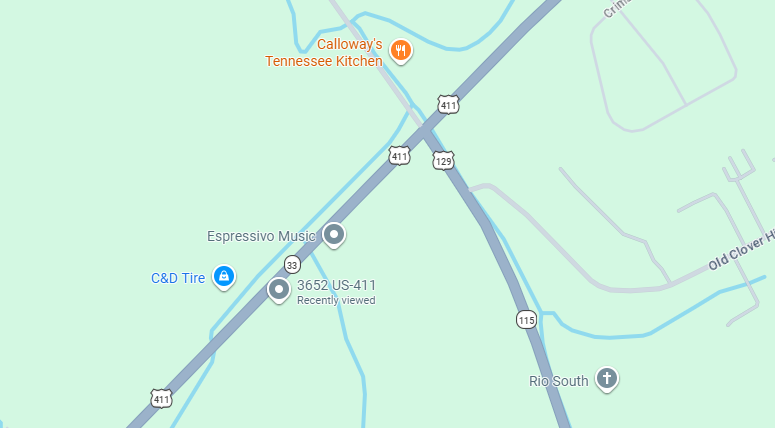
- 524 units at 3652 U.S. 411 near Clover Hill Road and Calderwood Highway, a large complex marketed as “upscale living” with resort‑style amenities.
Why the Projects Required BZA Approval
Both developments are located in zoning districts where multifamily housing is not permitted by right. Under Blount County’s zoning ordinance, large apartment complexes can only be built if the developer obtains a special exception from the Board of Zoning Appeals. The special‑exception process is intended to evaluate whether a high‑density residential use is compatible with surrounding land uses, road capacity, and public services. Without BZA approval, neither project could proceed.
When the BZA reviews these developments as special exceptions, they must find that the project will not:
- Materially endanger public health or safety.
- Substantially injure the value of adjoining property.
- Conflict with the purposes and goals of the Zoning Resolution.
- Create excessive impacts on public infrastructure (such as roads, water, or schools) that are beyond the immediate capacity of the County to address.
Developers told the board they intend to hold the properties long‑term and attract young professionals with features such as pickleball courts, dog parks, and a swimming pool. They argued the projects meet all technical requirements for special‑exception approval and will help address regional housing demand.
Residents Say the Board Ignored On‑the‑Ground Realities
Neighbors along both corridors described traffic backups, narrow rural roads, and intersections already operating at capacity. Several said they fear the county is approving hundreds of apartments without requiring developers to contribute meaningfully to infrastructure upgrades.
“This isn’t about being anti‑growth,” one resident said after the vote. “It’s about the county approving hundreds of apartments without fixing the roads, without addressing utilities, and without listening to the people who live here.”
Others criticized the special‑exception process itself, noting that once granted, the projects bypass additional public votes and move directly into administrative review. “It feels like the biggest decisions are being made in a room where citizens have almost no leverage,” another resident said.
The lone dissenting BZA vote echoed some of those concerns, citing corridor congestion and the scale of the proposals.
What Happens Next
County officials say the developments must still complete site‑plan review and obtain building permits, but residents argue those steps are largely technical and unlikely to alter the projects in any meaningful way.
For now, both complexes move forward — and so does a growing debate over how Blount County should manage rapid growth, who pays for the infrastructure that supports it, and whether the BZA’s decision reflects the community’s long‑term vision.
BZA ALWAYS SAYS YES, POOR ATTENDANCE, DELAYED RELEASE OF MINUTES
An analysis of two years of meeting minutes for the Blount County Board of Zoning Appeals reveals a governing body characterized by a perfect record of consensus and significant disparities in member participation. Between February 1, 2024, and January 22, 2026, the Board conducted 11 regular and special sessions, during which they never once encountered a dissenting vote on a final motion.
It is important to note that the meeting minutes of the July 2, 2026 BZA meeting were not yet published before publishing, but the meeting video recording does show BZA Board Member LARRY CHESNEY did vote NO on the two controversial housing developments.
Meeting minutes’ publication delays
Records indicate lengthy gaps between BZA meetings and the publication of their minutes. As of July 7, 2026, minutes had not yet been published for the meetings held February 5, March 5, and June 4, 2026.
Consensus or Compliance – A Board that always says “YES”
Throughout the 24-month period, the Board took a total of 32 formal votes. These actions ranged from routine approvals of minutes to significant land-use decisions, such as special exceptions for the Great Smoky Mountains Institute and new commercial storage facilities.
The voting record is striking for its lack of internal debate:
- Yes Votes: All 32 motions passed.
- No Votes: Zero.
- Abstentions: Only two abstentions were recorded, both occurring during the February 2024 election of officers when members Joe Everett and Bruce Damrow abstained from the votes confirming their own appointments as Chairman and Secretary, respectively.
This streak of unanimity persisted even when faced with vocal public opposition. For instance, during the February 2024 meeting regarding a special exception for Bethel Church Road, residents raised concerns about traffic and community disruption, yet the Board approved the measure 4-0. Similarly, in March 2025, despite opposition regarding drainage and traffic for a new convenience store on Highway 411 South, the Board again voted unanimously in favor.
The Empty Chair Problem – Poor Attendance
While the Board’s voting was unified, its presence was not. Attendance records show a reliance on a small core of members, while others were frequently absent. Joe Everett served as the Board’s most consistent pillar, attending 10 of the 11 meetings (90.9%).
In contrast, other members’ participation was intermittent:
- Larry Chesney: Attended 8 of 11 meetings (72.7%).
- Stanley Headrick: Attended 8 of 11 meetings (72.7%).
- Bruce Damrow: Attended 6 of 11 meetings (54.5%).
- Brian King: Attended only 3 of 11 meetings (27.3%).
- John Rush (Alternate): Attended 3 of 11 meetings (27.3%).
Procedural Paralyzation
The Board’s struggle with absenteeism reached a critical point in late 2024. During the October 1, 2024, meeting, the Board was forced to postpone its scheduled election of officers because only two regular members were present. Because the bylaws require a majority of the entire regular membership to elect officers, the presence of an alternate member was insufficient to proceed.
The same issue recurred on November 7, 2024, when high absenteeism again prevented the Board from conducting its leadership elections, punting the procedural requirement to the following year. Officers were eventually elected in March 2025, over five months after the initial scheduled date.
As Blount County continues to navigate complex zoning and development requests, the Board’s history of unanimous “yes” votes and inconsistent attendance may raise questions for residents seeking a robust and deliberative appeals process.